Walk in the old district of the capital city
📍 Starts: 66 Charoen Krung Road, Khwaeng Wang Burapha Phirom · Guide: Swai
Book free spot Free · pay what you like
Bangkok rewards walkers who start early: royal temples, riverside markets and Chinatown alleys, explained by a local before the heat sets in.
Booking reserves your place; nothing is charged. Ratings and review counts from GuruWalk, updated 19 November 2026.
Bangkok is too big to walk as a whole, so nearly every free walking tour in Bangkok sticks to the historic core on Rattanakosin Island, where the city was founded beside the Chao Phraya River. Since the MRT reached Sanam Chai and Sam Yot, this old district is easy to get to, and most guides meet at one of those station exits, at the Sala Chalermkrung theatre or outside Wat Pho. Expect around two hours on foot, led by licensed Thai guides, in English.
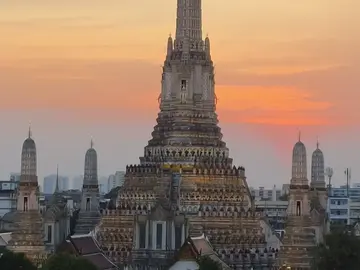
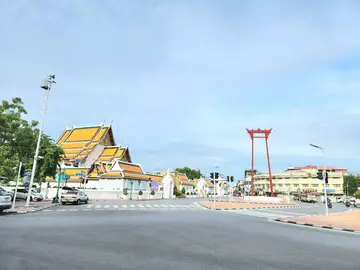
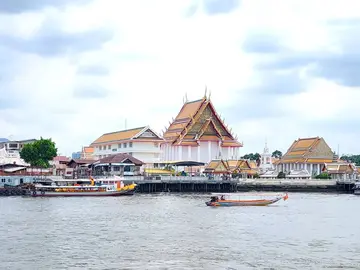
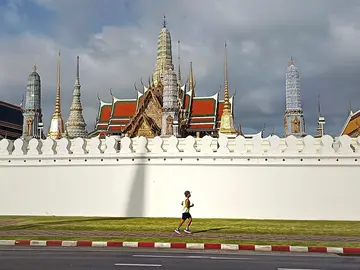
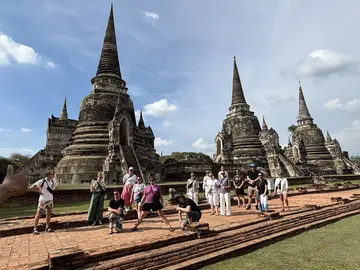
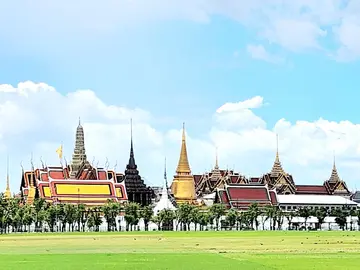
The classic Bangkok old town walking tour passes the round-the-clock flower market at Pak Khlong Talat, the riverside with Wat Arun across the water, Wat Pho and its Reclining Buddha, and the walls of the Grand Palace. Read the listing carefully: many walks explain the temples from outside and leave you to buy tickets and go in later on your own. Other routes head inland through quieter lanes to the Giant Swing, Wat Suthat, City Hall, Wat Ratchabophit and views of the Golden Mount, past old shophouse communities and noodle stalls.
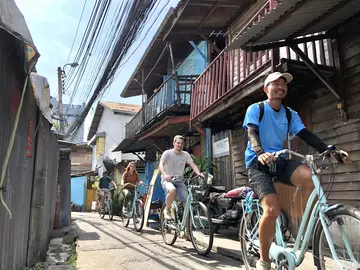
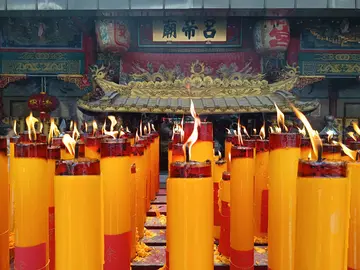
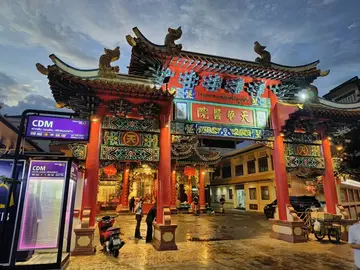
The second big area is Chinatown. A Bangkok Chinatown walking tour usually starts near Hua Lamphong or Wat Mangkon and takes in Wat Traimit's solid-gold Buddha, Chinese shrines, back-alley markets and the new cafés opening in old Yaowarat shophouses; some include tastings of street snacks. Beyond these, there are walks contrasting rich and poor neighbourhoods near Lumphini, quiet Thonburi temple walks across the river, and bike tours of Thonburi's canal-side lanes, including a night ride for street snacks.
The essential first walk, about two hours, usually from Sanam Chai MRT or Wat Pho. Many routes view the big temples from outside, so plan a separate visit inside.
A quieter, more local two-hour walk through shophouse streets east of the palace, often starting by the Sala Chalermkrung theatre near Sam Yot MRT.
Temples, shrines, markets and street food in one of the world's largest Chinatowns, around two hours. Daytime tours focus on history; evening ones on food.
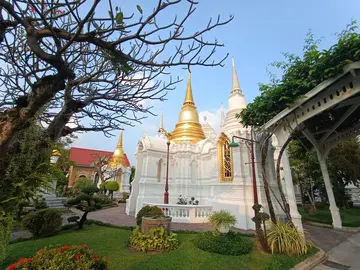
Heat is the deciding factor. Bangkok is hot all year, and by late morning the old town's open squares and white temple courtyards can be punishing, so book the earliest tour you can or one that starts late in the afternoon and runs into dusk. The cool, dry season from about November to February is the most comfortable and also the busiest. March to May is the hottest stretch, when midday walking is genuinely draining; the rainy season, roughly June to October, brings short, heavy afternoon downpours rather than all-day rain.
Chinatown is at its best in the evening, when Yaowarat's street-food stalls light up. The flower market works around the clock but is liveliest early in the morning. Weekends bring extra crowds to the Grand Palace area, and Songkran in mid-April means water fights in the streets: fun, but nothing stays dry.
About 4 km and two to three hours, from Sanam Chai MRT to the Golden Mount. Start as early as possible to beat both the heat and the tour-bus crowds.