Free walking tours in Bogotá
Colonial lanes, giant murals and a mountain shrine above the city. Explore Bogotá with a local guide, then tip.
- 🚶 30 free tours
- ★ 4.79 average
- 💬 4,202 reviews
- 🗣 Spanish, English, German
Top free walking tours in Bogotá
Free Walking Tour in Bogotá
Top History Tour: La Candelaria Experience
Free Tour Colombian Armed Conflict: War, Drug Trafficking and Peace
Free Graffiti Tour Bogotá
The Authentic Graffiti Free walking tour in Bogota
Free Biking Tour Bogotá
Bogota's Free Local Street Food Tour!
Bogota Scooter Tour
Candelaria Unveiled: The best Cool-tural tour!
Bogotá: Gold Museum, In-Depth Tour of the Pre-Hispanic World
History of Colombia, Tales of the Panopticon and Spirits of the National Museum
Bogotá Divided: Memories of a City at War
Discover Chapinero: the neighborhood that never sleeps – culture, identity, and contrasts
Essential Tour Museums of Bogotá
Bogotá stories and ancestors
Unique free tour of Bogota
Tour through La Candelaria in Bogotá, unique and wonderful!
Building Peace: Armed Conflict, Drug Trafficking, and Peace Processes
Free visit. Enjoy the heart of Bogotá
Free Tour Historical Center of Bogotá (La Candelaria)
Free Tour: Let's Go Through La Candelaria, the Soul of Colombian History.
Routes of Memory - Free Tour "Where History Burned: The Bogotazo and the Taking of the Palace"
Free Tour Graffiti Tour in Bogota
Discover the magic of Usaquén on an unforgettable walk
Tour through La Candelaria Bogotá: history, art, and authentic local life.
Hike to Monserrate: Discover the Top of Bogotá (Free tour)
Bike tour of Bogotá
Bogota Countercultural: Urban Art, Graffiti, and Memory
Bogotá with a woman's face: a feminist tour of downtown Bogotá
Booking reserves your place; nothing is charged. Ratings and review counts from GuruWalk, updated 19 November 2026.
What a free tour of Bogotá covers
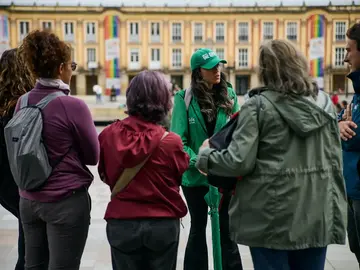
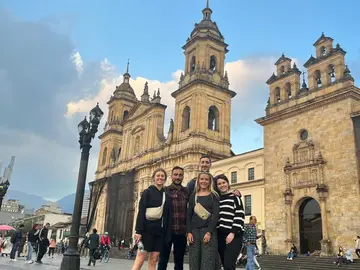
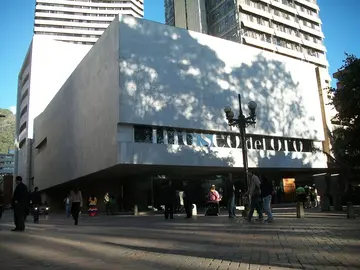
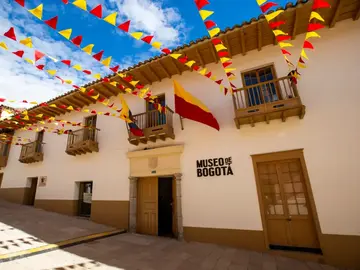
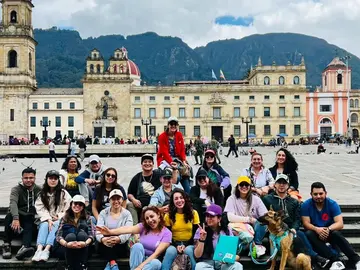
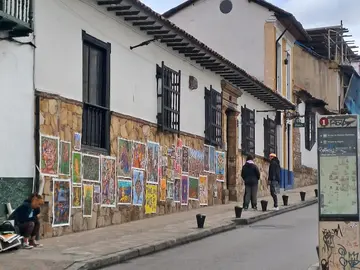
Nearly every free walking tour in Bogotá begins in La Candelaria, the colonial district at the foot of the eastern hills. The usual meeting points are the Gold Museum on Parque Santander, the little Chorro de Quevedo square where the city is said to have been founded, Plaza de Bolívar or the statue of the independence heroine La Pola. Over two and a half to three hours, guides work through steep cobbled lanes, colonial churches and the great square ringed by the Capitol, the cathedral, the Palace of Justice and the mayor's office, usually with a stop for a hot drink or a taste of chicha.
The story runs from the Muisca people and the legend of El Dorado to the Spanish conquest, independence and Simón Bolívar, then on to the turbulent twentieth century. Guides explain the Bogotazo, the riots that tore through the centre after the assassination of Jorge Eliécer Gaitán in 1948, and the 1985 siege of the Palace of Justice, and how Colombia has tried to make peace since.
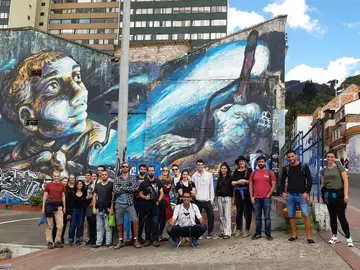
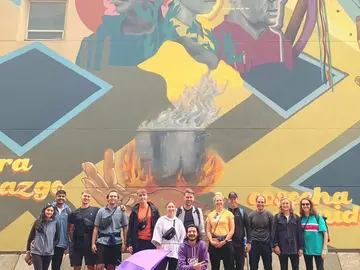
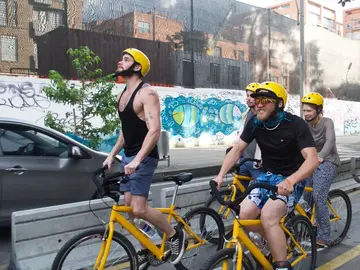
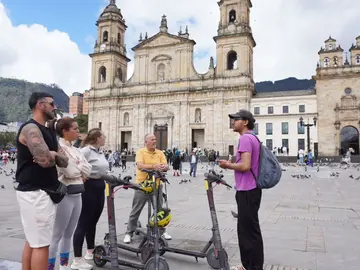
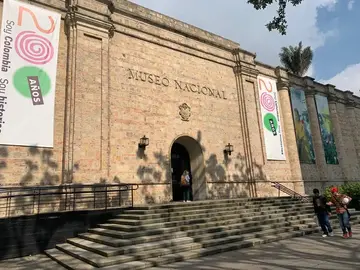
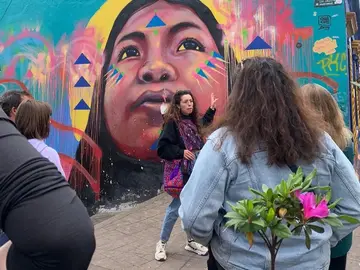
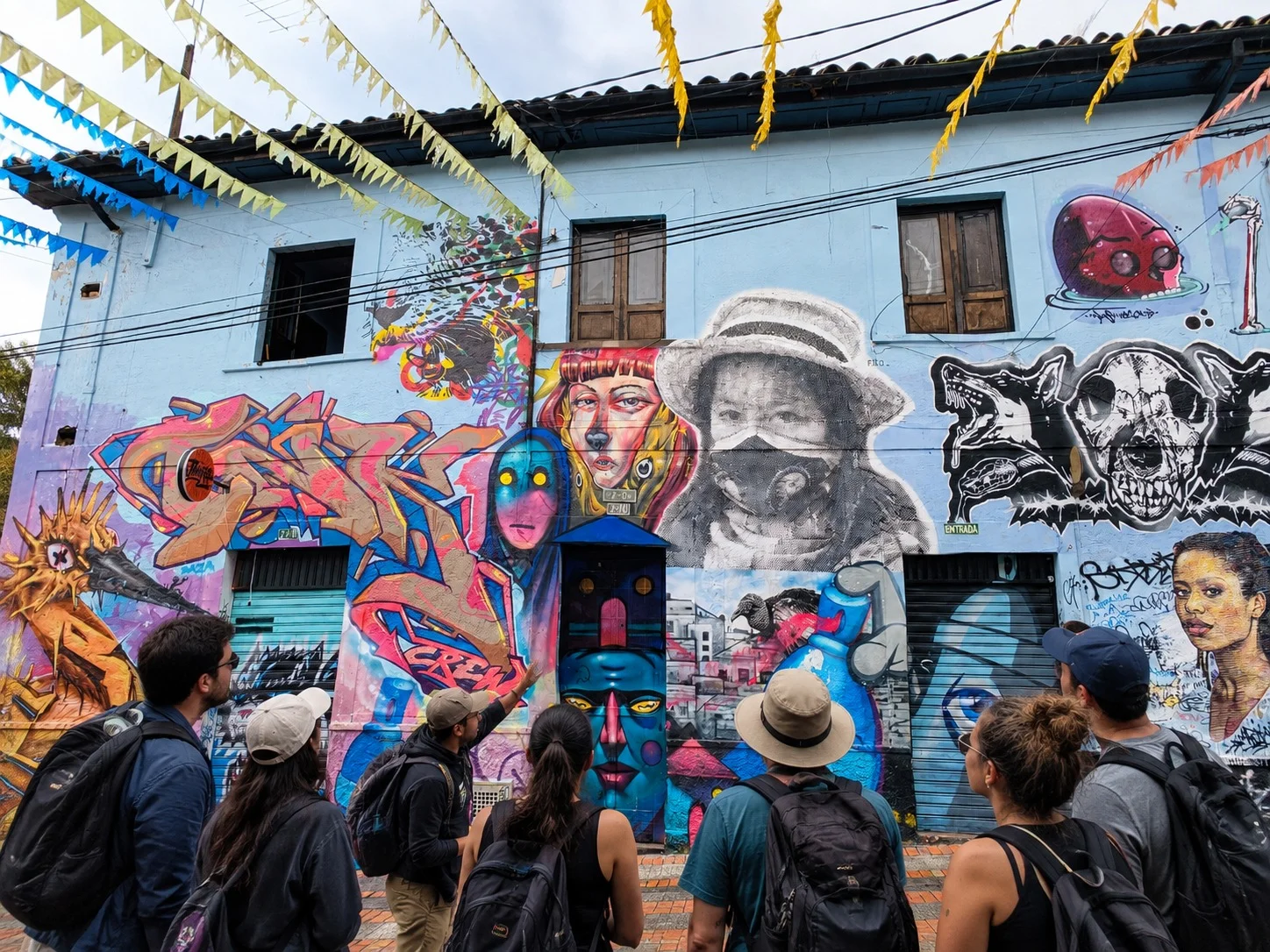
Bogotá's second great theme is graffiti. Several tours walk the centre's best murals and explain why the city became one of Latin America's street-art capitals. Others are devoted to the armed conflict and peace process, the Bogotazo, women in the city's history, the National Museum or the Gold Museum's pre-Hispanic collection. There are street-food walks, bike and scooter tours, a hike up Monserrate, and neighbourhood walks in Chapinero, Teusaquillo and Usaquén. For the rest of the country, see Medellín, Cartagena or our Colombia overview.
The routes Bogotá guides walk
La Candelaria historic centre
The classic introduction, two and a half to three hours, starting at the Gold Museum, Chorro de Quevedo or Plaza de Bolívar. Expect some steep streets.
- Gold Museum and Parque Santander
- Church of San Francisco
- Chorro de Quevedo
- Calle del Embudo
- Teatro Colón
- Plaza de Bolívar
- Palace of Justice and the Capitol
Graffiti and street art
Two to two and a half hours among the murals of the centre, meeting at Chorro de Quevedo, near the Gold Museum or in Parque de los Periodistas. Some tours run only in English.
- Parque de los Periodistas
- Eje Ambiental and Avenida Jiménez
- Large-scale murals of the centre
- Artist-run spaces and galleries
- Streets of La Candelaria
Conflict, memory and peace
Two to three hours on the political violence that shaped Colombia, from the Bogotazo to the guerrilla war, drug trafficking and the peace process. Meeting points include the Gold Museum and Plazoleta del Rosario.
- Carrera Séptima, where Gaitán was shot
- Plazoleta del Rosario
- Plaza de Bolívar
- Palace of Justice
- Casa de Nariño (from outside)
When to join a tour in Bogotá
Bogotá sits at about 2,600 m, so it is cool all year, with crisp mornings and changeable afternoons. There is no bad season for walking, but April to May and October to November tend to be the rainiest. Morning tours usually have the best chance of dry weather and clear views of the hills.
Weekdays are the time to see La Candelaria at work, with students, office crowds and street vendors. On Sundays the Ciclovía closes main roads to cars, Usaquén holds its market and the centre is calmer. Leave the Monserrate hike for a clear morning, and give yourself a day or two to adjust to the altitude first.
Good to know
- Dress in layers and pack a rain jacket: sun, cloud and drizzle can all arrive within an hour.
- Take it slowly on your first day; the altitude makes the steeper Candelaria streets surprisingly hard work.
- Keep phones and wallets secure on Carrera Séptima and around Plaza de Bolívar, where crowds attract pickpockets.
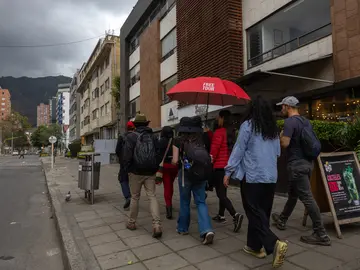
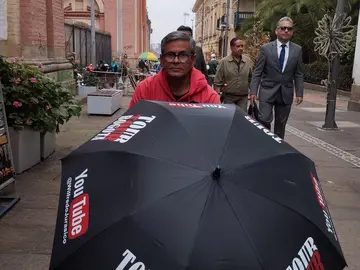
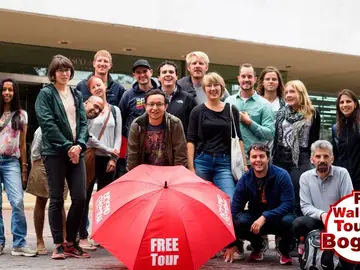
- Fake guides sometimes approach visitors in Plaza de Bolívar, so look for your guide's umbrella or sign as described in the listing.
- Don't feed the pigeons or buy feed in the square; vendors can be pushy.
- Try a chocolate santafereño, hot chocolate served with cheese to drop in it, between stops.
Self-guided walking tour of Bogotá (map-free route)
About 3 km and two to three hours, from the Gold Museum through La Candelaria to Plaza de Bolívar. Walk it in daylight.
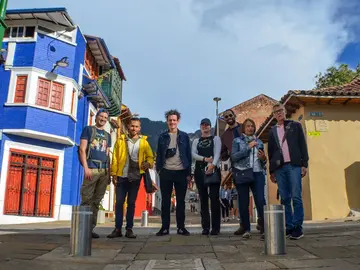
- Gold Museum and Parque Santanderstart at the museum that holds the country's great collection of pre-Hispanic goldwork.
- Church of San Franciscostep inside the city's oldest surviving church for its dazzling gilded altarpiece.
- Eje Ambientalfollow Avenida Jiménez uphill beside the water channel that recalls the river beneath it.
- Chorro de Quevedothe small square traditionally named as the city's founding spot, with students, street artists and chicha bars.
- Calle del Embudoa narrow, mural-covered lane that funnels down from the square.
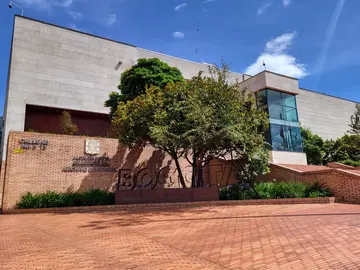
- Biblioteca Luis Ángel Arango and Museo Boterothe city's great library and the Botero collection next door, long free to enter.
- Teatro Colónthe elegant nineteenth-century national theatre on Calle 10.
- Plaza de Bolívarthe vast main square framed by the Capitol, the Primada cathedral, the Palace of Justice and the Palacio Liévano.
- Casa de Nariñofinish at the railings of the presidential palace just south of the square.