Free walking tours in Serbia
A capital where two rivers meet and a Danube city crowned by a fortress, explained by guides who grew up there.
- 🏙 2 cities
- 🚶 18 free tours
- 💬 3,175 reviews
Most-walked cities in Serbia

Belgrade and Novi Sad
Serbia's tip-based tours are concentrated in Belgrade, which has a wide choice for a city of its size. The classic walk starts on Republic Square or outside Hotel Moskva, follows the pedestrian street Knez Mihailova and climbs to Kalemegdan and the Belgrade Fortress, where the Sava runs into the Danube. Beyond that, Belgrade is a city for history walks: tours on the royal dynasties and Tito's Yugoslavia, on the break-up of the country and the 1999 NATO bombing, on the First World War, and on sites across the Sava such as the former Staro Sajmište camp. There's an afternoon craft beer and rakija walk too.
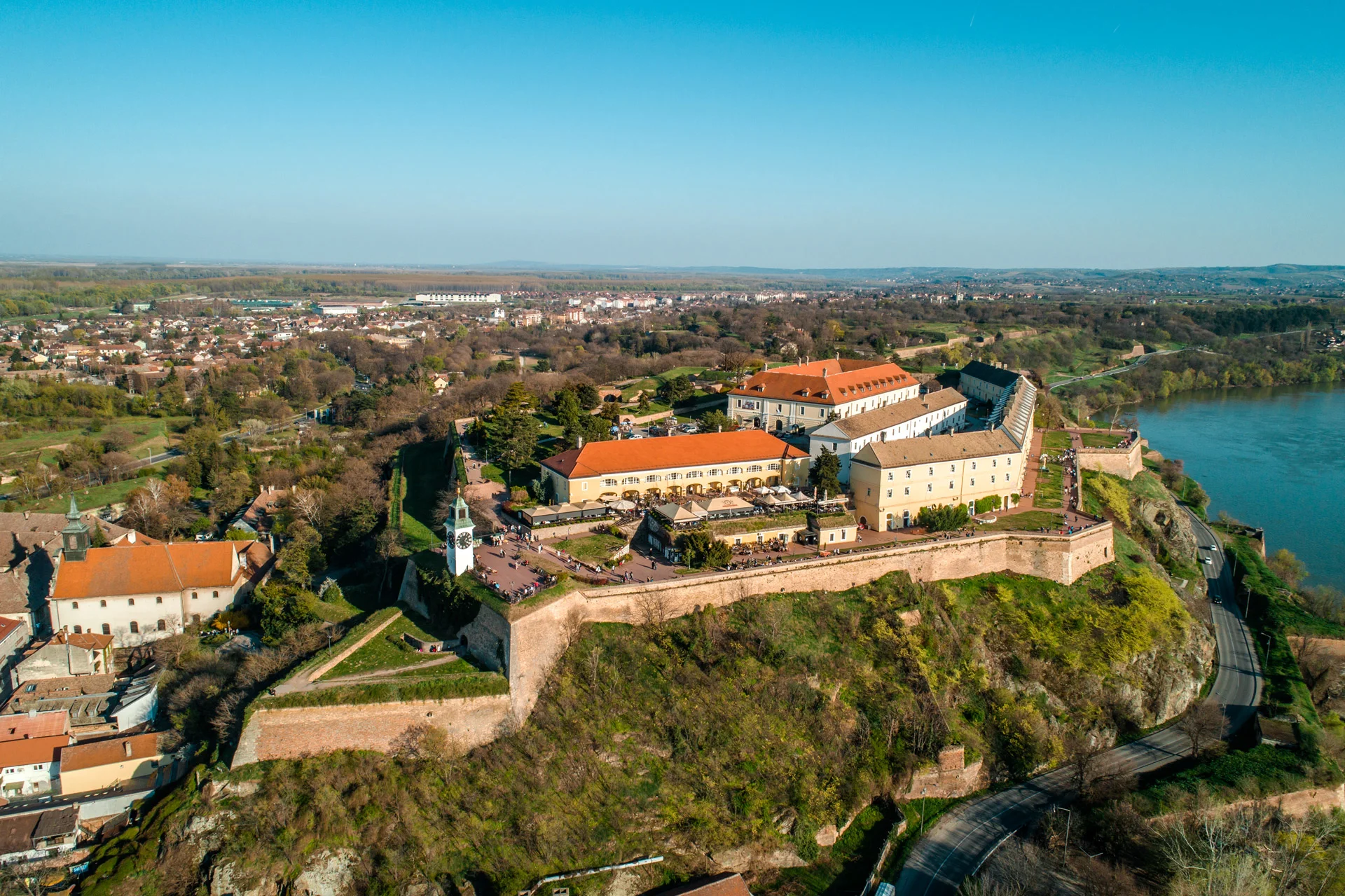
Less than an hour north by fast train, Novi Sad has a walk that starts by the Name of Mary Church in the centre, crosses the Danube and climbs to the Petrovaradin Fortress for a view back over the city.
Guides usually speak about recent history openly and from their own experience, and visitors of all backgrounds are welcome to ask questions. Most tours are in English, with some in Spanish. Spring and autumn are the most comfortable seasons; summers are hot, so start early, and winters are cold but the tours carry on.