Free walking tours in Sarajevo
Ottoman bazaar streets, Austro-Hungarian facades and a city that lived through a long siege. Walk Sarajevo with a local, then tip.
- 🚶 15 free tours
- ★ 4.88 average
- 💬 6,442 reviews
- 🗣 English, Spanish, Italian
Top free walking tours in Sarajevo
The #1 Free Walking Tour in Sarajevo + recommendation cards
War Scars & Sarajevo Today Free Tour with Neno & Merima
Sarajevo through centuries free walking tour
"Sarajevo Uncovered: A Journey Through History & Culture" Free Walking Tour
Sarajevo Free Walking Tour: History & Hidden Gems
Free Walking Tour of Old Town with Local
Sarajevo Essential Free Walking Tour
Sarajevo Free Walking Tour: Old Town, History & Local Stories
Sarajevo by Night: Free Walking Tour with a Local
500 years of history in Sarajevo - Free Walking Tour
Sarajevo Walking Tour with a Historian | Small Groups
Sarajevo Free Walking Tour in a small group with Hana & Eman
NEW: Explore Sarajevo with an official guide that guided Sting!
Sarajevo Free Tour: Five Centuries of History, Culture, Empires & Hope
Booking reserves your place; nothing is charged. Ratings and review counts from GuruWalk, updated 19 November 2026.
What a free tour of Sarajevo covers
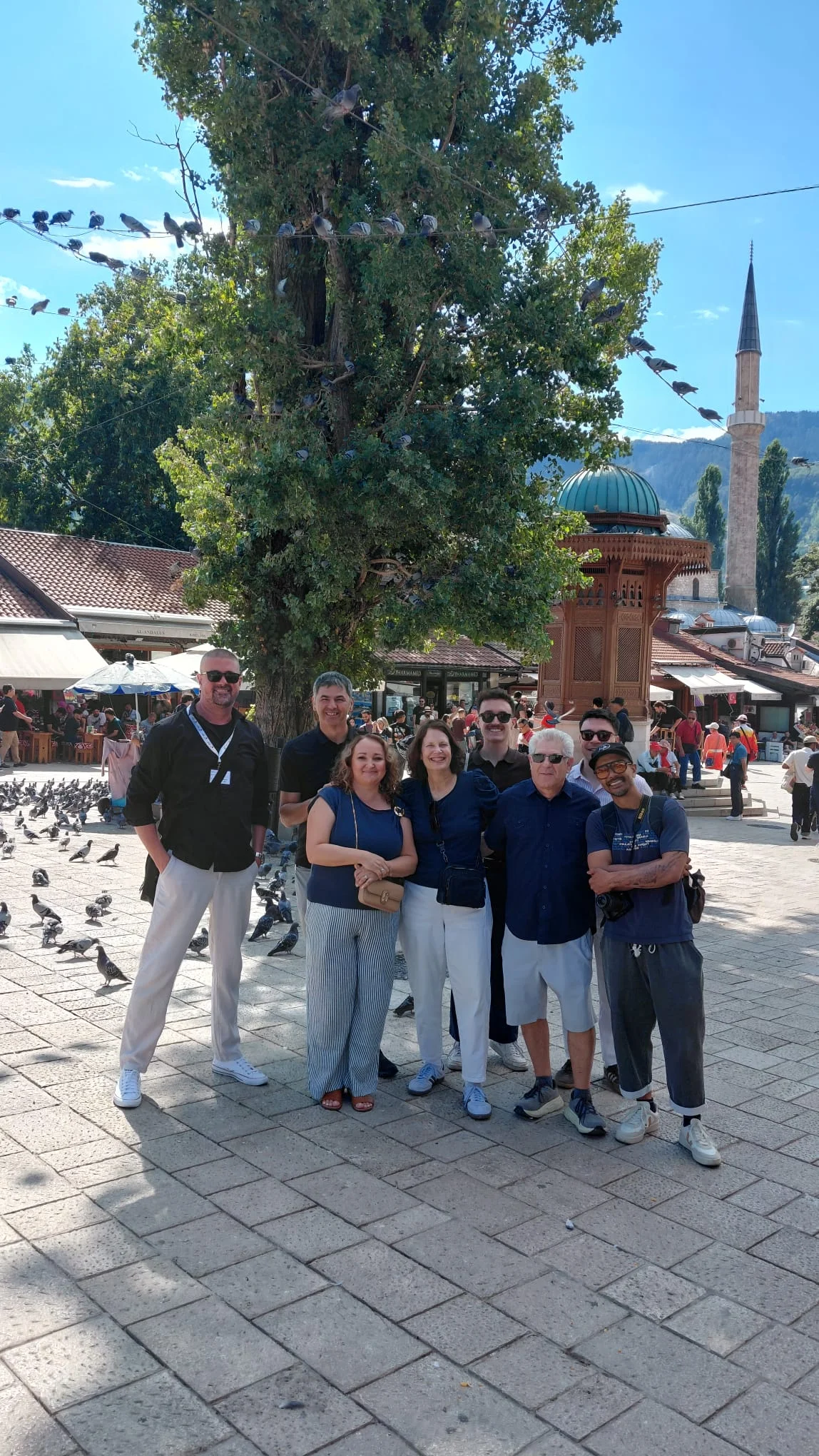
Few cities pack as much history into a short walk as Sarajevo, and a two-hour free walking tour of Sarajevo moves through five centuries in a couple of kilometres. Most tours meet in or near Baščaršija, the old Ottoman bazaar: at the wooden Sebilj fountain, outside small tour offices on Mula Mustafe Bašeskije, at the Sacred Heart Cathedral or in front of City Hall by the river. Guides are locals, and many are licensed, so expect personal stories as well as dates.
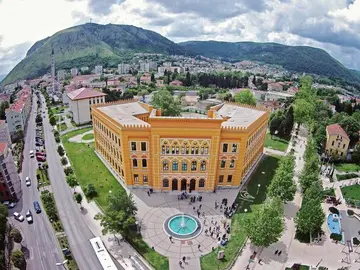
The classic route shows why Sarajevo is called the place where East meets West. You'll walk the coppersmiths' lane of Kazandžiluk, see the Gazi Husrev-bey Mosque and the Morića Han caravanserai, and pass the Old Synagogue, the Catholic cathedral and the Orthodox cathedral, all within a few minutes of one another. On Ferhadija a line in the pavement marks where the Ottoman city gives way to Austro-Hungarian blocks. At the Latin Bridge guides tell the story of the assassination of Archduke Franz Ferdinand in 1914, and at City Hall, the striped neo-Moorish building that once held the National Library, they explain how it burned during the siege and was later restored.
The siege of 1992–1996 is part of almost every tour, told plainly by people whose families lived through it. One walk is devoted to it: guides share their own memories as they lead you past memorials, the former front line and the buildings of the long avenue nicknamed Sniper Alley, before turning to how the country is governed and recovering today. There is also a summer evening walk through the illuminated old town. Tours run mainly in English, with options in Spanish and Italian. For Mostar, see our Bosnia and Herzegovina page.
The routes Sarajevo guides walk
Old Town: East meets West
The classic two-hour walk for a first visit, starting in Baščaršija, at the Sacred Heart Cathedral or outside City Hall.
- Sebilj fountain
- Kazandžiluk coppersmiths' street
- Gazi Husrev-bey Mosque
- Old Synagogue
- Sacred Heart Cathedral
- Meeting of Cultures line
- Latin Bridge
- City Hall (Vijećnica)
The siege and Sarajevo today
A two-hour-plus walk from the National Theatre square, led by guides who lived through the war. It goes beyond the Old Town into the modern centre; suitable for older children, but some stories are hard to hear.
- Sarajevo Roses
- Memorial to the children killed in the siege
- Sniper Alley
- Holiday Inn
- Parliament and Presidency buildings
- Canned beef monument
- Vrbanja Bridge
Sarajevo by night
A 90-minute summer evening walk from City Hall through the illuminated old town, cooler and lighter on dates than the daytime tours.
- City Hall (Vijećnica)
- Baščaršija
- Sebilj fountain
- Gazi Husrev-bey Mosque
- Ferhadija
- Latin Bridge
When to join a tour in Sarajevo
Late spring and early autumn are the most comfortable times to walk. Summers in the valley are hot, so a morning tour or the evening walk is easier. The Sarajevo Film Festival in August fills the city with visitors, and during Ramadan the old town comes alive after sunset when people gather to break the fast.
Winters are cold and often snowy, and on still days the valley can trap smog. Tours still run, and the old town looks lovely under snow; wear warm boots, as the Baščaršija paving gets slippery.
Good to know
- Mosques on the route can usually be visited outside prayer times: remove your shoes, cover shoulders and knees, and women should bring a scarf for their hair.
- Baščaršija's paving is worn smooth, so wear shoes with grip, especially in rain or snow.
- The Tunnel of Hope museum is near the airport, not in the centre, so it is not on these walks; plan it as a separate trip.
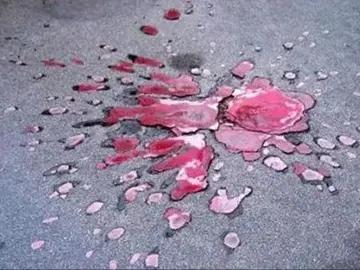
- Sarajevo Roses are memorials, not decoration: please don't stand on them for photos.
- Several tours start at company offices in Baščaršija with similar names; check the address in your listing.
- If you hike in the hills around the city afterwards, stay on marked paths, as clearance of wartime mines is not complete in some rural areas.
Self-guided walking tour of Sarajevo (map-free route)
About 2 km and 1.5 hours, from the Sebilj fountain through the old town to City Hall by the river.
- Sebilj fountainstart at the wooden kiosk fountain on Baščaršija square, surrounded by pigeons and coffee houses.
- Kazandžiluklisten for the hammering in the coppersmiths' lane, where trays and coffee sets are still made by hand.
- Morića Hanstep into the courtyard of the old caravanserai, where traders once rested their horses.
- Gazi Husrev-bey Mosquethe city's great 16th-century mosque, with a fountain in its courtyard and the clock tower beside it.
- Old Synagoguethe oldest synagogue in the country, now home to the Jewish Museum and the story of Sarajevo's Sephardic community.
- Meeting of Culturesstand on the line in the Ferhadija pavement and look east to Ottoman Sarajevo, west to Austro-Hungarian Sarajevo.
- Sacred Heart Cathedralthe twin-towered Catholic cathedral, with a Sarajevo Rose in the paving in front.
- Eternal Flame and the Orthodox Cathedralthe Second World War memorial at the end of Ferhadija, a few steps from the Cathedral of the Nativity of the Theotokos.
- Latin Bridgethe stone bridge on the Miljacka; the street corner at its northern end is where the Archduke was shot in 1914.
- City Hall and the House of Spitefinish at the restored Vijećnica and, across the river, the house whose owner insisted it be moved, not demolished.