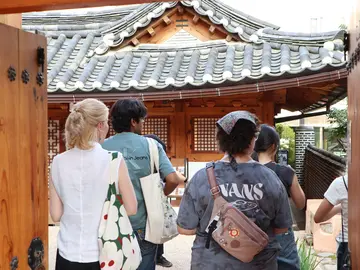
Free Walking tour from Bukchon Cultural Center - Changdeokgung-Ikseondong
📍 Starts: 대한민국 서울특별시 일부 95-2 동부쪽 끝 1층 KR 서울특별시 종로구 재동 · Guide: Sam
Book free spot Free · pay what you like
Palaces, hanok lanes and glass towers sit a subway stop apart in Seoul. A local guide connects six centuries in one walk.
Booking reserves your place; nothing is charged. Ratings and review counts from GuruWalk, updated 19 November 2026.
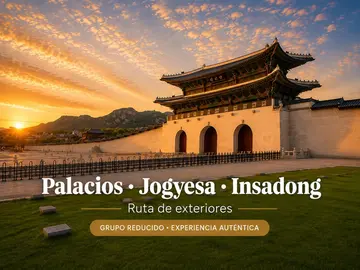
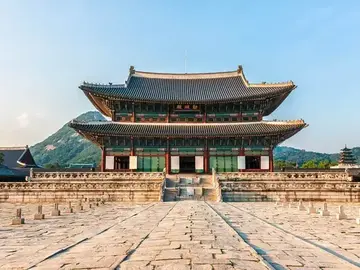
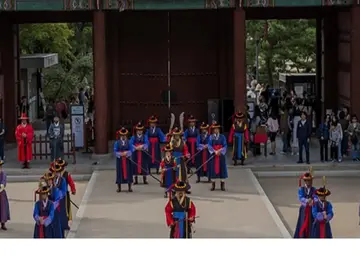
Most free walking tours in Seoul stay north of the Han River, in Jongno, the old royal city of the Joseon kings. Guides meet at numbered subway exits at Gwanghwamun, City Hall, Anguk or Gyeongbokgung, so the start is easy to find even if you can't read Hangul. From Gwanghwamun Square, with its statues of King Sejong and Admiral Yi Sun-sin, the classic route heads for Gyeongbokgung Palace, then on to the hanok lanes of Bukchon or the tea houses and craft shops of Insadong. Allow two to three hours.
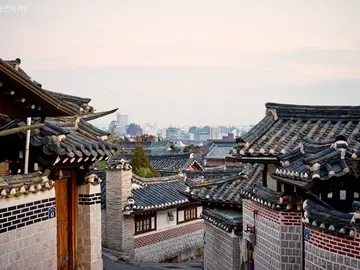
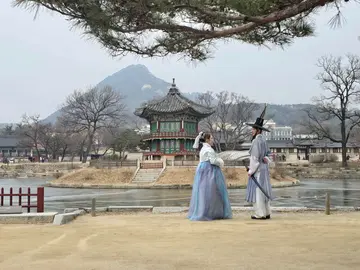
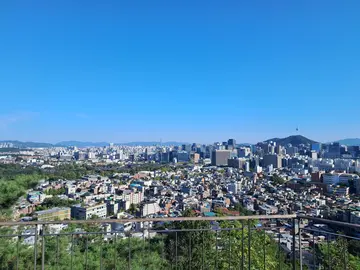
Read each listing carefully, because Seoul's tours come in two kinds. Some explain the palaces from outside the walls; others go in, and you pay the small entry fee yourself. A Seoul walking tour of Gyeongbokgung and Deoksugung gives you the five-hundred-year story of the dynasty, while walks through Changdeokgung, Bukchon and Ikseon-dong mix court history with traditional houses now squeezed between galleries and cafés. Quieter routes climb from Seochon towards Buam-dong, skirt the foothills of Inwangsan or follow a stretch of the old city wall, with views over the rooftops.
South of the river, a Gangnam walk links Bongeunsa temple, the giant library atrium inside the COEX mall and the royal tombs at Seolleung, with plenty of stories about how Korea grew rich so quickly. Other guides cover Yongsan's railway history and K-pop corners, a K-drama neighbourhood with a centuries-old market, or an evening walk from Insadong past lantern-lit Jogyesa temple to Myeongdong Cathedral. English is the main language, and a good number of tours run in Spanish.
The essential first walk, two to three hours from Gwanghwamun or City Hall station. Check whether your guide goes inside the palaces or tells their story from outside.
About two hours, usually from exit 3 of Anguk station, through the hanok neighbourhood that sits between two palaces.
Two and a half to three hours south of the river, meeting inside Bongeunsa station. In winter the route spends longer indoors at COEX to warm up.
Seoul has four sharp seasons. April, with cherry blossom along the streams and palace walls, and October to mid-November, when the ginkgo trees turn gold, are the best months to walk. Summer is hot and humid, with a rainy spell from roughly late June into July, so choose a morning tour. Winter is properly cold, often below freezing with a biting wind; guides shorten outdoor stops, and gloves, a hat and a warm layer make all the difference.
Gyeongbokgung closes on Tuesdays and Changdeokgung on Mondays, so palace tours change their routes on those days. Weekday mornings are the calmest time in Bukchon, while weekends bring crowds to Insadong and Ikseon-dong. Evening tours are a good choice in summer, once the heat eases and the lanterns at Jogyesa come on.
About 4 km and two and a half hours, from City Hall station to Insadong. Avoid Tuesdays, when Gyeongbokgung is closed.