Free walking tours in Kyoto
Wooden teahouses, temple gates and stone lanes: Kyoto rewards a slow walk with someone who can explain what you're looking at.
- 🚶 24 free tours
- ★ 4.80 average
- 💬 7,565 reviews
- 🗣 English, Spanish, Italian +1
Top free walking tours in Kyoto
Kyoto Night Free Walking Tour Gion Geisha
Gion Legacy of Geishas - Free Walking Tour
Kyoto Free Walking Tour in Gion with Japanese Guide
Kyoto Historic Center - Free Walking Tour
Kyoto Gion: Geisha Culture & History Guided Walking Tour
Free tour of Kyoto: world heritage
Kyoto: Arashiyama Bamboo Forest at First Light (Small Group, Crowd-Free)
Kyoto Invisible: Forbidden Tales, Mysteries & Hidden gems
Kyoto Behind the Beauty: Herstory of Geisha
Nijo Castle the Samurai secret Nijo Castle History Walking Tour – World Heritage (Admission ticket is not included)
Kyoto: UNESCO World Heritage Arashiyama Walking Tour with Admission included
Kinkaku-ji Temple, Kyoto’s Iconic Golden Pavilion
A Neighborhood Walk by the Philosopher's Path
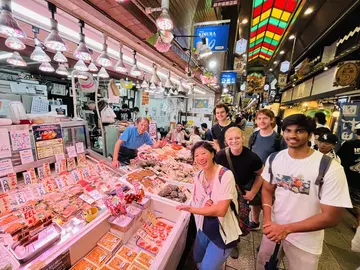
Kyoto: Nishiki Market & Hidden Local Gems with a Local Guide
The Secret History and Legends of Kyoto
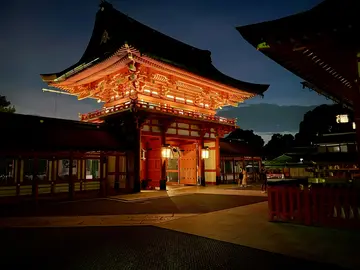
Kyoto: 1.5-Hour Fushimi-Inari Night Walking Tour
Kyoto: Arashiyama Chopstick Making Workshop
Kyoto Free Walking Tour - Main Tour
Dive into the Beauty of Kyoto! Fushimi Inari, Kinkaku-ji, and Arashiyama
*ITALIAN* All about the Arashiyama Bamboo Forest: between Nature, Temples, and Shrines
Free evening tour of Gion and Geisha districts in Italian
Kyoto Beyond Temples: Anime and Geek Culture Tour
Freetour Arashiyama Kyoto: The Forest and the Secret Viewpoint with a Local Guide
Booking reserves your place; nothing is charged. Ratings and review counts from GuruWalk, updated 19 November 2026.
What a Kyoto walking tour covers
The heart of almost every Kyoto free walking tour is Gion and the Higashiyama district, on the east bank of the Kamo River. Guides usually gather near Shijo Ohashi bridge, the statue of Izumo no Okuni by the Minamiza theatre, or Sanjo and Kawaramachi stations, then walk into the geisha quarter: the willow-lined Shirakawa canal, Tatsumi Bridge and Hanamikoji Street, with its wooden teahouses. From there the route climbs past Yasaka Shrine and the giant gate of Chion-in to the stone-paved slopes of Ninenzaka and, on the longer tours, Kiyomizu-dera.
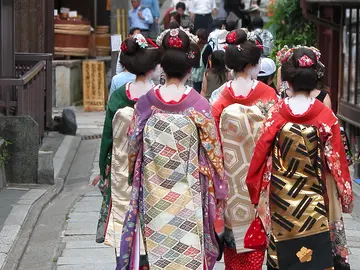
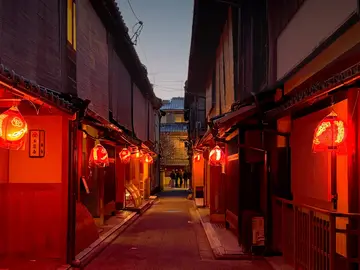
A good Gion walking tour is less about spotting a geiko or maiko than understanding their world: training, teahouse etiquette and why the district guards its privacy. Several guides run it as an evening walk, when the lanterns are lit and the streets feel closer to their old selves.
Kyoto's other tours spread out to the edges of the city. Arashiyama walks take in Tenryu-ji and the bamboo grove, ideally early in the morning. Others follow the Philosopher's Path from Nanzen-ji to Ginkaku-ji, visit Nijo Castle, explore Nishiki Market, or climb through the red gates of Fushimi Inari after dark. There are even walks on Kyoto's anime and retro-gaming shops, for a break from temples. Most last between 1.5 and 2.5 hours. Tours are mostly in English, with a good number in Spanish and a couple in Italian.
The routes Kyoto guides walk
Gion and Higashiyama
The classic first walk, two to three hours by day or in the early evening. Most start near Shijo Ohashi bridge, the Minamiza theatre or Sanjo Station.
- Kamo River and Shijo Ohashi
- Shirakawa canal and Tatsumi Bridge
- Hanamikoji Street
- Yasaka Shrine
- Chion-in gate
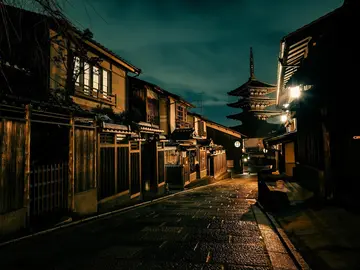
- Yasaka pagoda
- Ninenzaka
- Kiyomizu-dera
Arashiyama and the bamboo grove
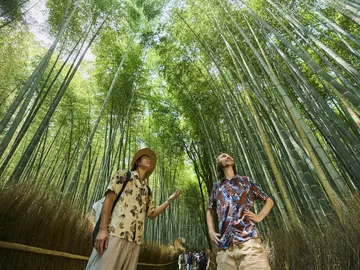
A western-edge walk of 1.5 to 2.5 hours, starting near Saga-Arashiyama or Arashiyama stations. Early tours beat the crowds in the bamboo.
- Tenryu-ji Temple
- Arashiyama bamboo grove
- Nonomiya Shrine
- Hillside viewpoint over the river
- Togetsukyo Bridge
Philosopher's Path and Ginkaku-ji
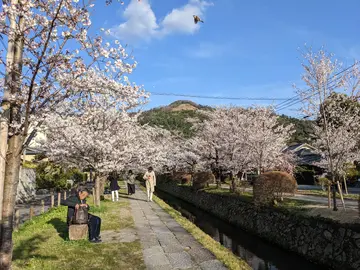
A quieter eastern walk of two to three hours through Zen temples and a canal-side path, best in cherry blossom or autumn colour season.
- Nejirimanpo tunnel
- Nanzen-ji Temple
- Eikan-do
- Philosopher's Path
- Ginkaku-ji (Silver Pavilion)
When to walk in Kyoto
Kyoto sits in a basin, so summers are hot and humid and winters are cold and crisp. Spring cherry blossom, usually around early April, and the autumn leaves in November are glorious but bring the year's biggest crowds. Late May and October are quieter and still pleasant.
Go early for Arashiyama and Kiyomizu-dera, and save Gion for late afternoon or evening, when you have the best chance of glimpsing a geiko or maiko on her way to an appointment. Fushimi Inari is far calmer, and cooler, after dark.
Good to know
- City buses get packed; trains, the subway and your own feet are often faster for reaching meeting points.
- Some private lanes in Gion are closed to visitors; follow signs and your guide, and never stop or photograph geiko and maiko without permission.
- You may need to take your shoes off in temple halls, so wear shoes that slip off easily and clean socks.
- Carry yen in cash: temple entry fees and small shops don't always take cards.
- Public bins are rare; hold on to your rubbish until you find one at a station or convenience store.
- The slopes up to Kiyomizu-dera are steep, and Fushimi Inari is a long climb if you go beyond the first gates.
Self-guided walking tour of Gion and Higashiyama (map-free)
About 3 km and two to three hours, from Shijo Ohashi bridge up to Kiyomizu-dera. Walk it in the late afternoon and you'll reach Gion as the lanterns come on.
- Izumo no Okuni statueby the Kamo River, honouring the woman credited with founding kabuki; the Minamiza theatre is across the road.
- Shirakawa canal and Tatsumi Bridgewillows, stone paving and teahouses along a small canal, Gion at its most photogenic.
- Hanamikoji Streetthe main street of the geisha district, lined with wooden machiya; keep to the public road.
- Yasaka Shrinethe vermilion gate at the top of Shijo-dori and a lantern-hung dance stage inside.
- Maruyama ParkKyoto's best-known cherry-blossom park, behind the shrine.
- Chion-in gateone of the largest wooden temple gates in Japan; the grounds above are worth a look.
- Nene-no-michi and Ishibe-kojia stone-paved path and a hushed side lane of traditional inns.
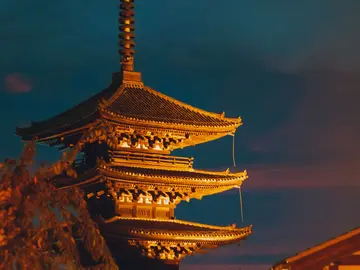
- Ninenzaka and Yasaka pagodapreserved shopping slopes with the five-storey pagoda rising above the roofs.
- Sannenzaka to Kiyomizu-deraclimb the last slope to the temple's wooden stage; entry is paid.