Free walking tours in Tokyo

Tokyo has no single old town, just a string of very different districts, and a local guide makes sense of each.

  • 🚶 59 free tours
  • ★ 4.83 average
  • 💬 13,624 reviews
  • 🗣 English, Spanish, Japanese +4

Top free walking tours in Tokyo

Check today's start times

Booking reserves your place; nothing is charged. Ratings and review counts from GuruWalk, updated 19 November 2026.

What a Tokyo walking tour covers

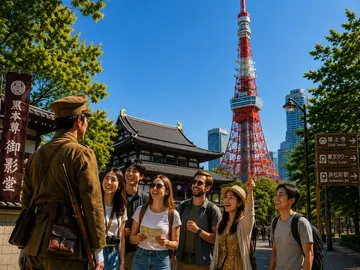
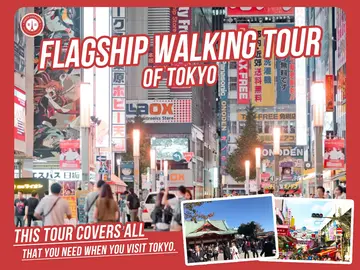
Most cities have one historic centre for a guide to walk you round. Tokyo has dozens of neighbourhoods, each with its own character, so Tokyo walking tours are organised by district rather than as one grand loop. Nearly all last about two hours and meet at a specific station exit, which matters in a city where a single station can have more than a hundred.

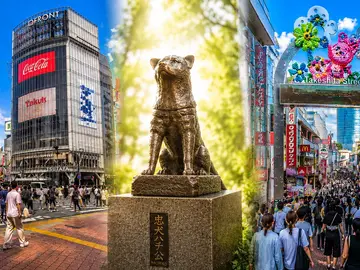
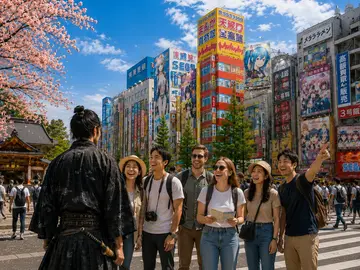
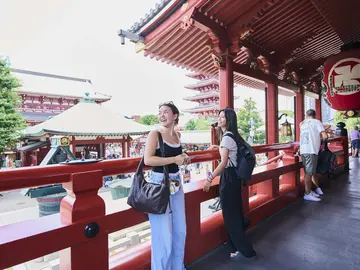
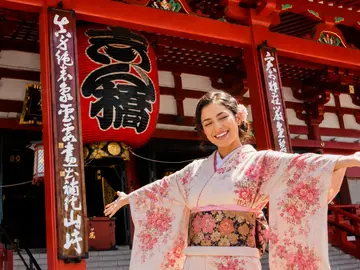
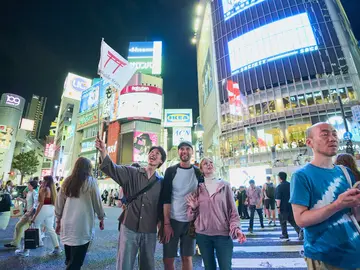
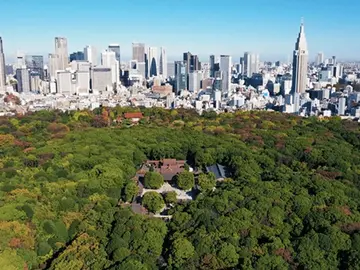
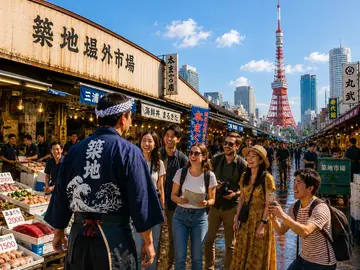
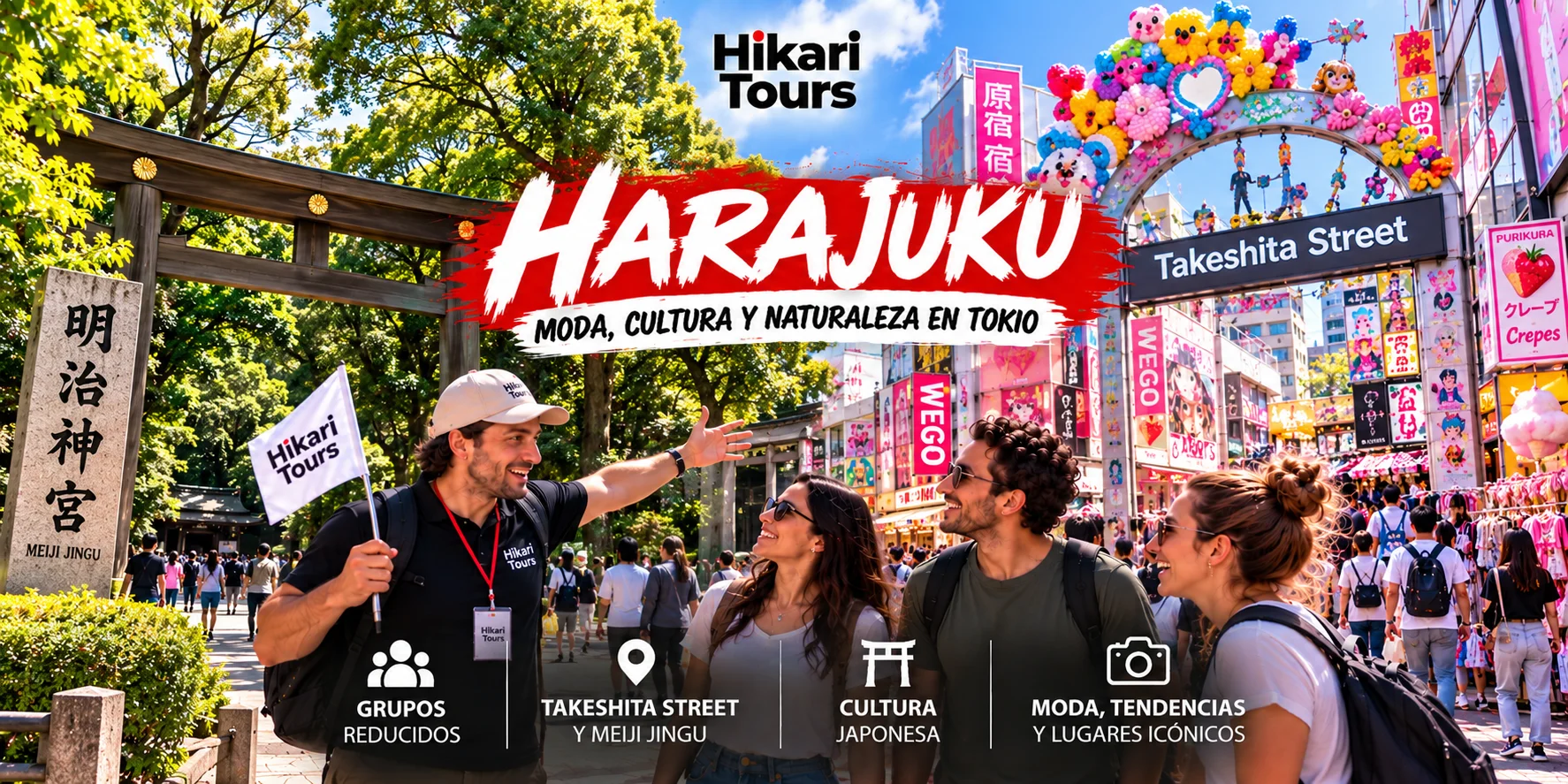
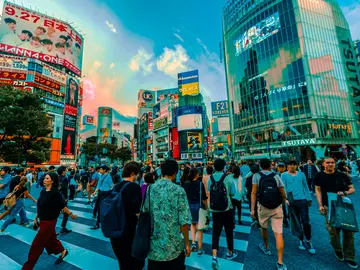
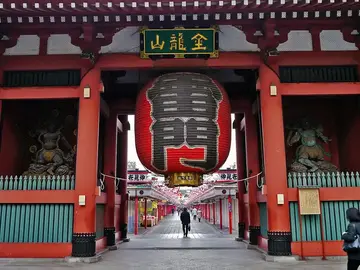
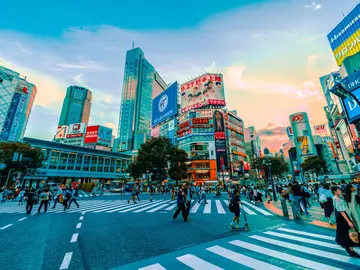
For a first free walking tour in Tokyo, the two classics are Asakusa and Shibuya. In Asakusa, guides lead you under the Kaminarimon gate, along the snack stalls of Nakamise-dori to Senso-ji, Tokyo's oldest temple, and often on to Kappabashi's kitchenware shops or the Sumida River for a view of the Skytree. Shibuya walks start at the Hachiko statue and the famous crossing, then slip into lantern-lit Nonbei Yokocho and Center Gai; many carry on through Cat Street and Takeshita Street in Harajuku to the forest around Meiji Shrine.

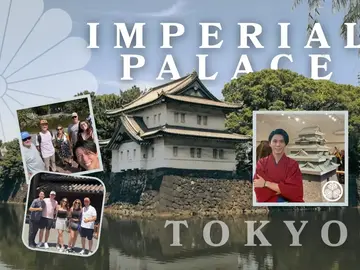
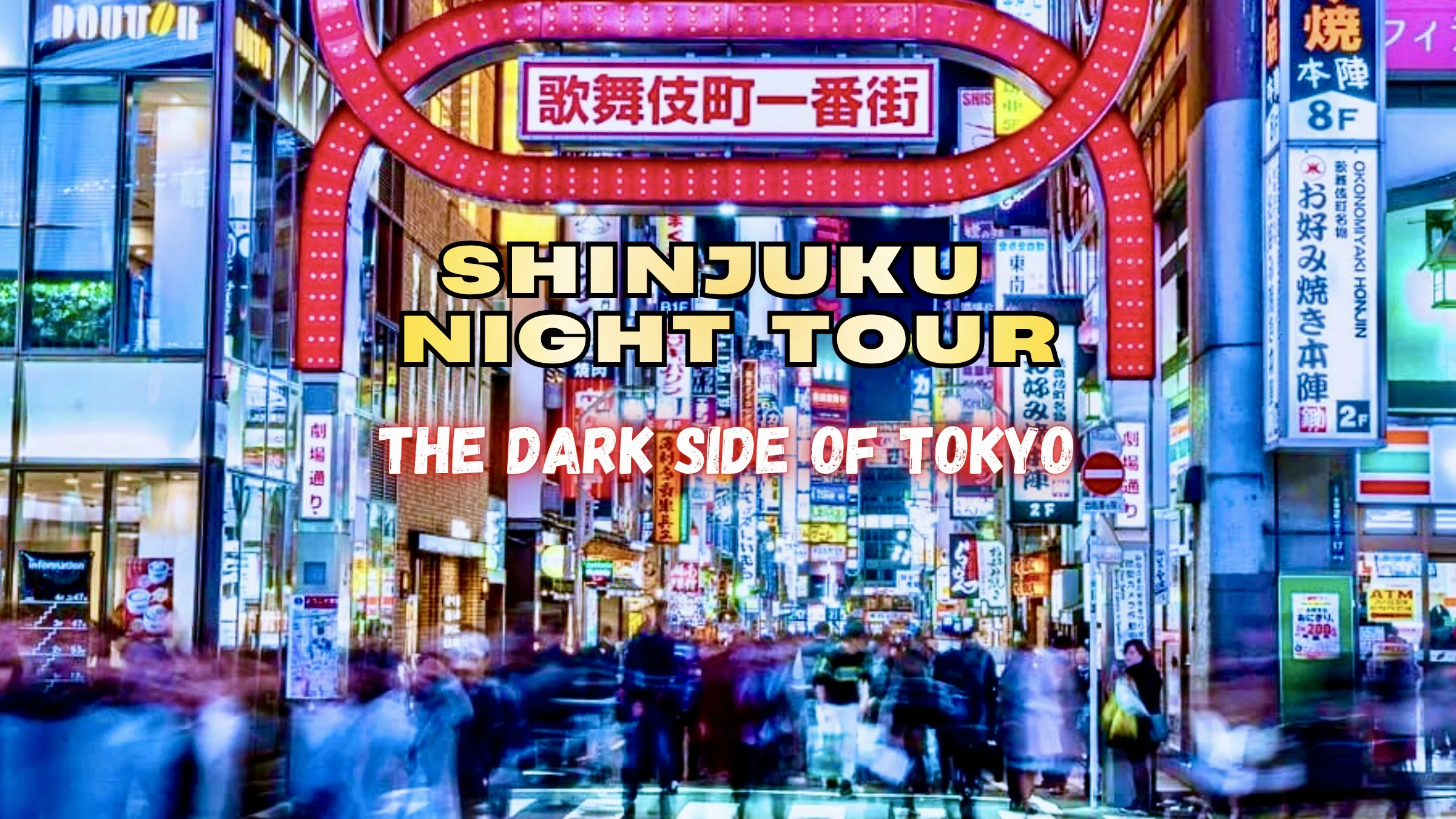
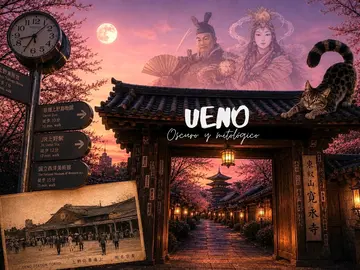
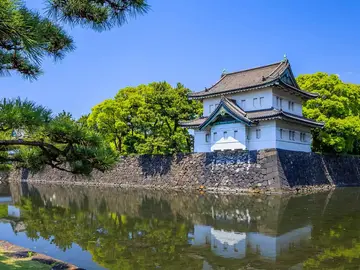
Beyond those, there are walks around the Imperial Palace and the remains of Edo Castle, Ginza and Marunouchi, the Tsukiji Outer Market, Ueno Park and Ameyoko, the old streets of Yanaka, and the anime and gaming shops of Akihabara. After dark, Shinjuku takes over, with tours of Kabukicho, Golden Gai and Omoide Yokocho. English is the main language, with plenty of Spanish departures and a few in Italian.

The routes Tokyo guides walk

Asakusa and Senso-ji

The best introduction to old Tokyo, about two hours. Most tours meet near the Kaminarimon gate, the Asakusa tourist information centre or the Sumida River pier.

  1. Kaminarimon (Thunder Gate)
  2. Nakamise-dori
  3. Hozomon gate
  4. Senso-ji main hall and pagoda
  5. Asakusa Shrine
  6. Kappabashi kitchenware street
  7. Azumabashi Bridge and Skytree view

Shibuya, Harajuku and Meiji Shrine

Modern Tokyo and youth culture, with a calm finish in the shrine forest. Two hours or a little more, usually starting at Hachiko or inside Shibuya Station.

  1. Hachiko statue
  2. Shibuya Crossing
  3. Nonbei Yokocho
  4. Miyashita Park
  5. Cat Street
  6. Takeshita Street
  7. Omotesando
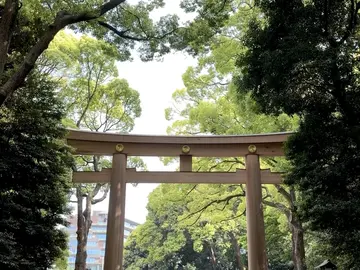
  8. Meiji Shrine

Shinjuku after dark

Evening walks through Japan's biggest entertainment district, around two hours from the station's east side. Some focus on the red-light district and are for adults only.

  1. Shinjuku Station East Exit
  2. Omoide Yokocho
  3. Kabukicho
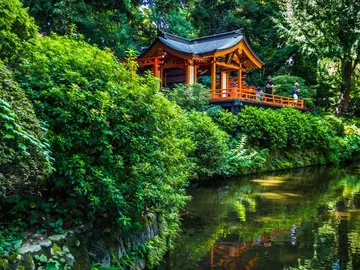
  4. Hanazono Shrine
  5. Golden Gai
  6. Tokyo Metropolitan Government Building

When to join a tour in Tokyo

Spring and autumn are the most comfortable seasons, with cherry blossom usually from late March to early April and autumn colours in November. The rainy season runs roughly from June to mid-July, and July and August are hot and very humid, so pick a morning or evening tour then. Winter is cold but often dry and bright, which makes for good walking.

Senso-ji is busiest from late morning and at weekends, so an early Asakusa tour is calmer. Shibuya Crossing is at its most dramatic in the evening, and Shinjuku tours only make sense after dark. Expect extra crowds during Golden Week, from late April to early May.

Good to know

  • Get a Suica or Pasmo card (or the phone version) for trains and metro; it makes reaching meeting points far easier.
  • Read the meeting instructions closely: the exit number matters, as big stations have many exits and they can be far apart.
  • Public bins are rare, so carry a small bag for your rubbish and take it back to your hotel.
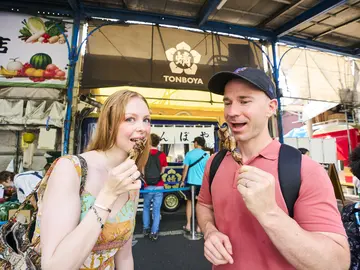
  • In Asakusa and other busy shopping streets, eat snacks beside the stall rather than while walking; locals consider it better manners.
  • Station and convenience-store toilets are clean and free; use them before a two-hour walk.
  • In Kabukicho, ignore touts and never follow anyone into a bar; stick with your guide.

Self-guided walking tour of Tokyo: Harajuku to Shibuya

About 3.5 km and two to three hours, from Harajuku Station through Meiji Shrine and down to Shibuya Crossing. Start in the morning for a quiet shrine, and finish in Shibuya as the lights come on.

  1. Meiji Shrine toriienter the forest through the huge wooden gate next to Harajuku Station; bow lightly as you pass under it.
  2. Meiji Shrine main hallthe shrine to Emperor Meiji and Empress Shoken; look for the wall of sake barrels on the way.
  3. Takeshita Streeta narrow, crowded strip of youth fashion, crêpe stands and kawaii shops.
  4. Omotesandothe tree-lined avenue of flagship stores, often called Tokyo's Champs-Élysées.
  5. Cat Streeta quieter backstreet of boutiques and vintage shops leading towards Shibuya.
  6. Miyashita Parka rooftop park built on top of a shopping complex beside the railway.
  7. Nonbei Yokochoa tiny alley of bars with room for only a handful of drinkers each.
  8. Hachiko statuethe bronze of the loyal dog who waited at the station for his owner for years.
  9. Shibuya Crossingcross with the crowd, then watch it from a raised spot nearby when the lights change.

Themed walks in Tokyo

Tokyo free tours: questions people ask

Are free walking tours in Tokyo really free?
Booking is free and you tip the guide at the end; around ¥1,000–2,000 per person is typical. Temple and garden entry, food or drinks are extra where they apply, and a few listings on the same platforms charge a fixed price, so read each one.
Should I tip on a Tokyo free walking tour if Japan has no tipping culture?
Yes. Tipping isn't expected in Japanese restaurants or taxis, but tip-based tours are built around it and guides depend on it. Cash in yen is easiest.
What is the best free walking tour in Tokyo for a first visit?
Start with Asakusa for temples and old Tokyo, then do Shibuya and Harajuku for the modern city. Together they show the contrast that defines Tokyo. Compare ratings and reviews in our list above.
Is there a free walking tour of Tokyo in English?
Most Tokyo walking tours run in English, many led by Japanese guides and others by long-term residents. Check the language flags on each tour.
Is there a free walking tour in Tokyo in Spanish?
Yes, Tokyo has a good choice of Spanish-language tours, covering Asakusa, Shibuya, Harajuku, Shinjuku, Ueno, Tsukiji and the Imperial Palace gardens. A few Italian tours run too.
Can I do a self-guided walking tour of Tokyo?
Yes. The Harajuku to Shibuya route above covers Meiji Shrine, Takeshita Street and Shibuya Crossing in about 3.5 km. A guide adds the history and etiquette you would otherwise miss.
Are there Tokyo walking tours at night?
Several. Shinjuku tours of Kabukicho and Golden Gai start in the early evening, and there are Shibuya night walks, including a ghost-story tour. Some Kabukicho tours are for over-18s only.

More free tours in Japan

All Japan cities →
Book a free tour in Tokyo